Gross National Happiness: How Bhutan Measures Success Beyond Money
By Sonam Choden · January 15, 2025 · 10 min read
A Revolutionary Idea
In 1972, the Fourth King of Bhutan, Jigme Singye Wangchuck, made a statement that would reshape how the world thinks about progress:
"Gross National Happiness is more important than Gross Domestic Product."
At just 16 years old, the young king recognized something that economists and philosophers had debated for centuries: money alone cannot measure human wellbeing.
What is Gross National Happiness?
Gross National Happiness (GNH) is Bhutan's development philosophy that measures prosperity not by economic output, but by the spiritual, physical, social, and environmental health of its citizens and natural environment.
Try it on your own life: we built a free GNH Calculator that scores you across the official nine domains, using the real sufficiency method and Bhutan's four official happiness categories.
Unlike GDP, which counts financial transactions, GNH asks fundamental questions:
- Are our people happy?
- Are our communities thriving?
- Is our environment healthy?
- Is our culture alive?
The Four Pillars of GNH
Bhutan's Constitution mandates that all government policies must consider these four foundational pillars:
1. Sustainable and Equitable Socio-Economic Development
Economic growth matters in Bhutan, but it must be:
- Sustainable – Not at the expense of future generations
- Equitable – Benefits shared across society
- Meaningful – Contributing to genuine wellbeing
This is why Bhutan has:
- Free universal healthcare
- Free education through university
- Land reforms preventing excessive inequality
- Restrictions on foreign investment that might harm communities
2. Conservation of the Environment
Bhutan is the world's only carbon-negative country. The constitution mandates that at least 60% of the country must remain forested – currently it's over 70%.
Environmental commitments include:
- Zero net carbon emissions – Actually absorbing more CO2 than produced
- Logging bans in primary forests
- No mining of most natural resources
- Plastic bag bans since 1999
- Electric vehicle incentives
3. Preservation and Promotion of Culture
Bhutanese culture isn't a museum exhibit – it's a living, breathing part of daily life:
- National dress (gho for men, kira for women) is required in schools, government offices, and public events
- Traditional architecture is mandated for all new buildings – a practice rooted in centuries of craftsmanship
- Dzongkha (national language) is taught in all schools
- Buddhist values underpin education and governance
- Festivals are public holidays, not tourist attractions
4. Good Governance
The Bhutanese government is committed to:
- Decentralization – Power shared with local communities
- Transparency – Open decision-making processes
- Participation – Citizens involved in development planning
- Efficiency – Streamlined bureaucracy focused on service
The Nine Domains of GNH
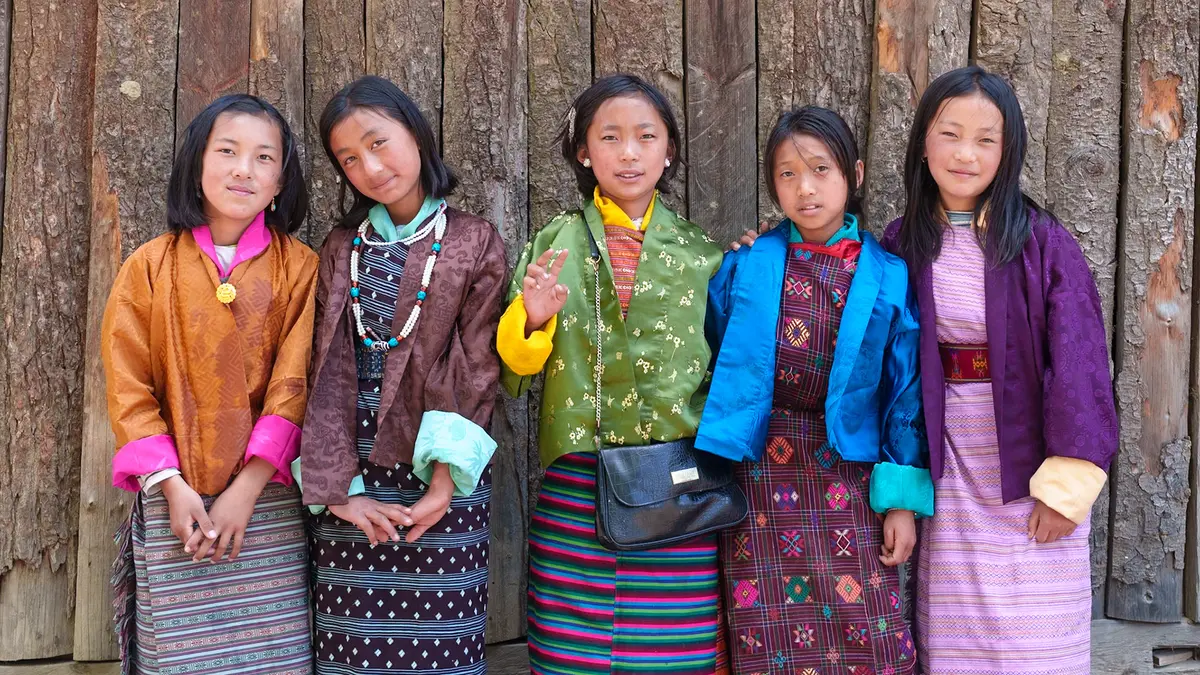
To measure GNH, Bhutan developed a comprehensive survey covering nine domains:
1. Living Standards
Material wellbeing including income, housing, and assets.
2. Health
Physical and mental health, including access to healthcare.
3. Education
Knowledge, values, and literacy including traditional knowledge.
4. Governance
Perceptions of government performance and political participation.
5. Ecological Diversity
Protection of the environment and wildlife.
6. Time Use
Work-life balance and time for leisure, sleep, and community.
7. Psychological Wellbeing
Life satisfaction, emotional balance, and spirituality.
8. Cultural Resilience
Cultural participation, native language use, and traditional practices.
9. Community Vitality
Social connections, family relationships, and community engagement.
How is GNH Measured?
Every few years, Bhutan conducts the GNH Survey, interviewing thousands of citizens about their lives across all nine domains. This results in a GNH Index that guides policy decisions.
The Results
The most recent survey found:
- 43.4% of Bhutanese are classified as "happy"
- 48.7% are "narrowly happy" (meeting most but not all thresholds)
- Only 8.8% are "unhappy"
While these numbers might seem modest by Western standards, consider:
- Bhutan is a developing country with limited resources
- The thresholds for "happiness" are rigorous
- The trend is consistently improving
GNH in Action: Real Policies
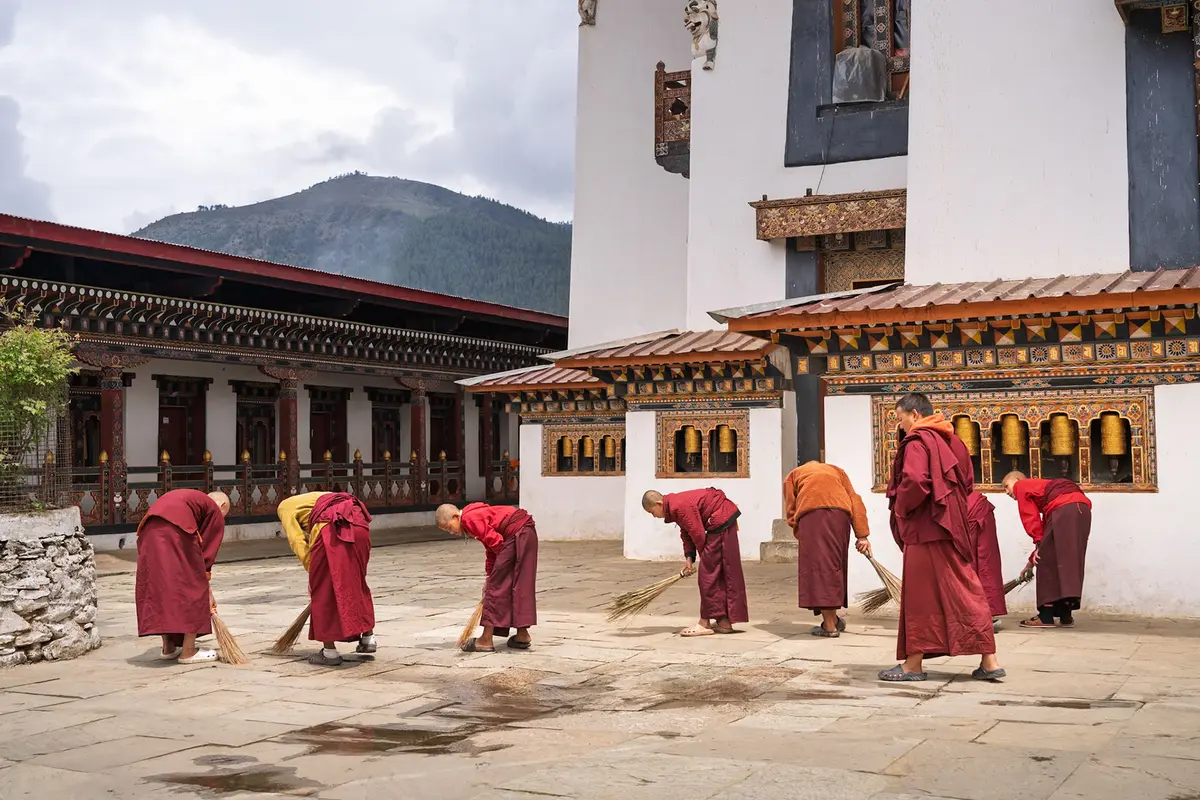
GNH isn't just philosophy – it shapes real decisions:
The Tobacco Ban
Bhutan is the only country in the world where the sale of tobacco is completely banned. Import for personal use requires paying a massive tax.
Television Arrives Late
Bhutan was the last country to introduce television (1999) as the government carefully considered its cultural impact. Today, content is monitored to protect children and culture.
Tourism Limits
The Sustainable Development Fee (SDF) limits tourist numbers, prioritizing cultural and environmental protection over maximum revenue.
Hydropower Over Mining
Instead of extracting coal or minerals, Bhutan generates clean hydroelectric power, exporting surplus to India while maintaining forests.
Four-Day School Week
Some schools experimented with four-day weeks, prioritizing quality of education and student wellbeing over rigid schedules.
What Can We Learn From GNH?
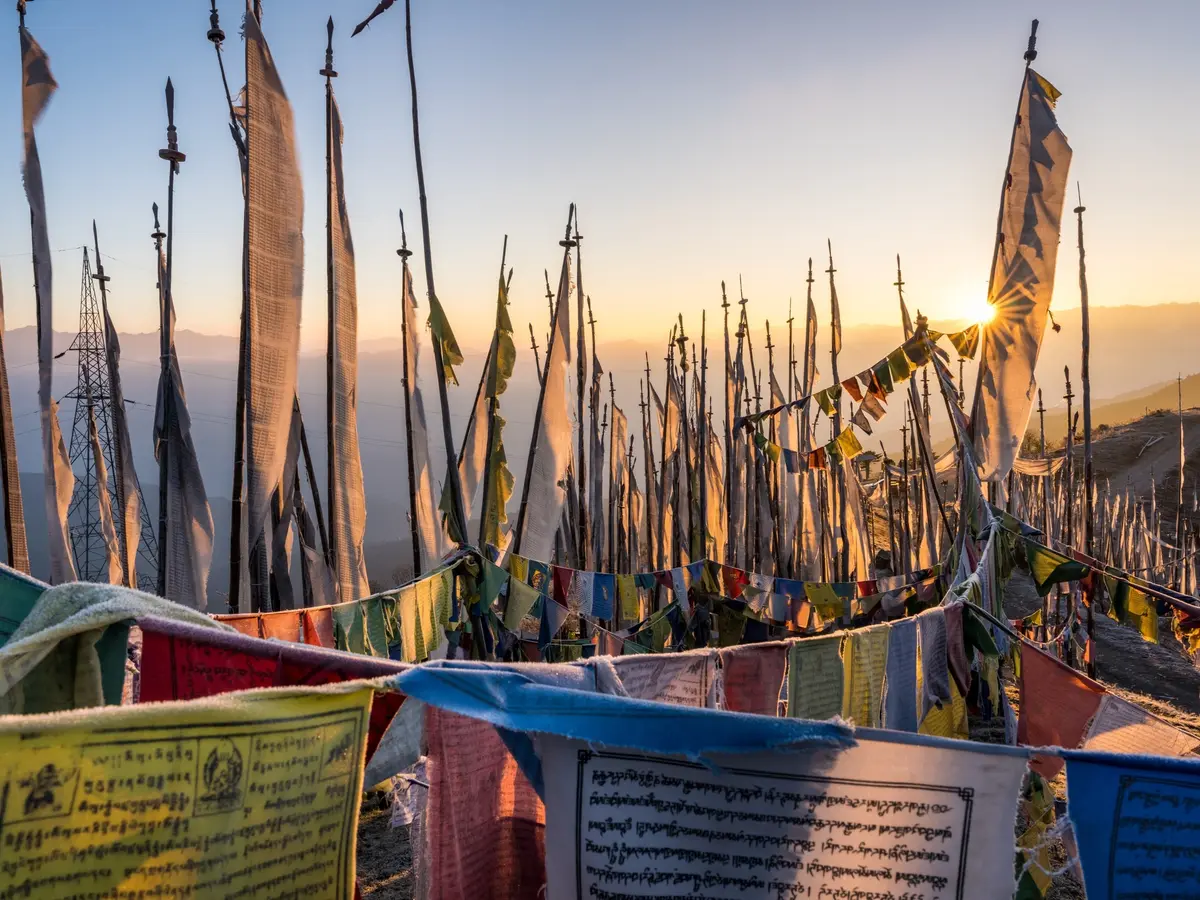
Even if you never visit Bhutan, GNH offers lessons for life anywhere:
1. Slow Down
Bhutanese people prioritize time for family, community, and spiritual practice. Speed isn't always progress.
2. Measure What Matters
GDP counts spending on prisons and pollution cleanup equally with education and healthcare. What metrics guide your life?
3. Think Generationally
Bhutanese policies consider the impact on seven generations. How do your choices affect those not yet born?
4. Protect What's Precious
Culture, environment, and community require active protection. They don't preserve themselves.
5. Happiness is Practice
In Buddhist Bhutan, happiness isn't a destination but a daily practice of gratitude, compassion, and mindfulness.
Experience GNH Yourself
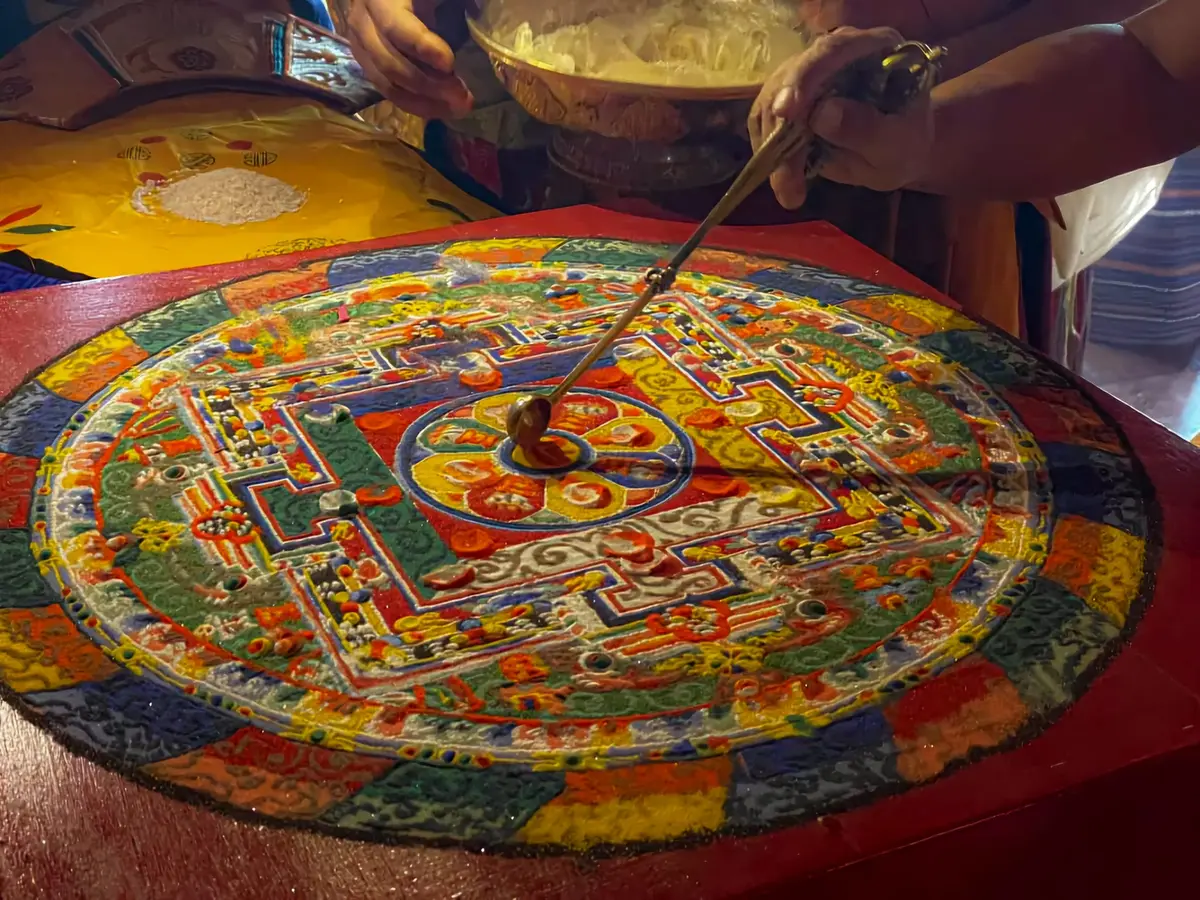
Visiting Bhutan offers a rare opportunity to experience a society organized around fundamentally different values. You'll notice:
- People walking slowly, stopping to chat
- Families gathering for meals and festivals
- Monks walking freely through modern streets
- Pristine forests surrounding every town
- Traditional buildings even for banks and shops
It's not perfect – Bhutan faces challenges like any nation. But it offers a living laboratory for a different way of being human in the modern world. When you walk through the courtyards of Thimphu or trek to the base of Tiger's Nest in Paro, you feel this philosophy in the air itself.
Want to experience Gross National Happiness firsthand? Plan your journey to Bhutan, explore our tours, or dive deeper with our post on why Bhutan doesn't top happiness rankings — and why that's okay.